
What’s in This Guide
Quick Facts
- Choose bathroom ceiling paint made for humid interior spaces, not ordinary flat ceiling paint.
- Fix leaks, condensation, and poor ventilation before repainting; paint cannot solve dampness at its source.
- Remove loose coating, clean contamination, dry the ceiling, repair defects, and prime problem areas before finish paint.
- Match sheen to conditions: bathroom-rated matte or eggshell suits well-ventilated rooms, while satin is easier to clean.
- EPA recommends indoor relative humidity below 60%, ideally between 30% and 50%, to support moisture control.
Why Bathroom Ceilings Peel and Develop Mildew
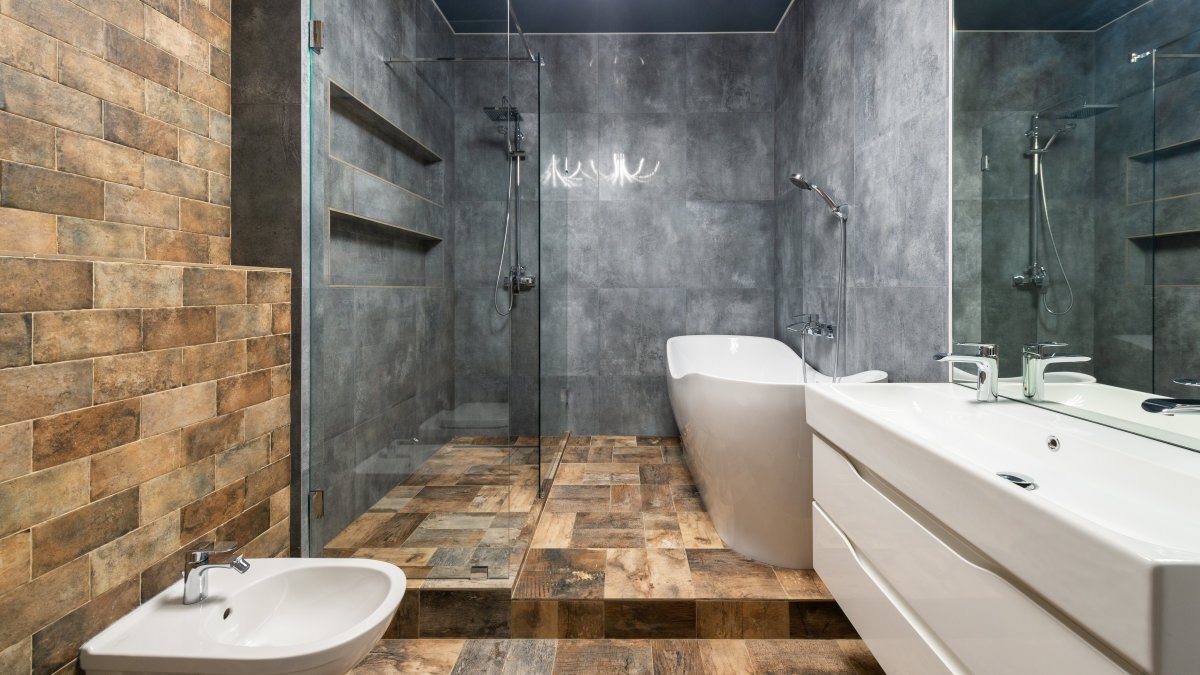
Bathroom ceilings face more moisture than interior surfaces. Hot showers release water vapor that rises toward the ceiling. When humid air meets a cooler surface, condensation can form. Repeated wetting can weaken coating adhesion and create conditions where mildew or mold can grow.
Poor ventilation makes the cycle worse. A weak, clogged, or rarely used fan can trap moisture, especially if it does not vent outdoors. Plumbing or roof leaks can cause similar symptoms. Before choosing paint for bathroom ceiling surfaces, identify whether the problem is shower humidity, condensation, or a leak.
What Type of Paint for Bathroom Ceiling Surfaces Works Best?
Choose Paint for Humid Spaces
Use an interior coating labeled for bathrooms, high-humidity rooms, or mildew resistance. Acrylic latex options are common because they dry quickly, clean up with water, and work well on interior surfaces.
Beyond moisture resistance, color longevity can also influence interior painting decisions. This is especially relevant when selecting kitchen cabinet paint colors that remain appealing beyond changing trends, where appearance and long-term maintenance are important considerations.
Do Not Rely on Sheen Alone
Higher sheen can improve washability, but it will not fix an ongoing moisture problem. Ventilation and proper surface preparation still matter most.
Pick the Right Finish
Bathroom-rated matte or eggshell can reduce glare and hide minor flaws. Satin is easier to clean in condensation-prone bathrooms, while semi-gloss offers more washability but can highlight surface imperfections.
Understanding which paint finishes work best for bathroom walls, ceilings, and vanities can also help homeowners choose appropriate coatings for different surfaces exposed to moisture and frequent cleaning.
Avoid Standard Flat Ceiling Paint
Do not choose flat paint only because it is labeled for ceilings. In humid bathrooms, select a product specifically approved for moisture-prone spaces and follow the manufacturer’s preparation and recoat instructions.
How to Prepare and Paint a Bathroom Ceiling
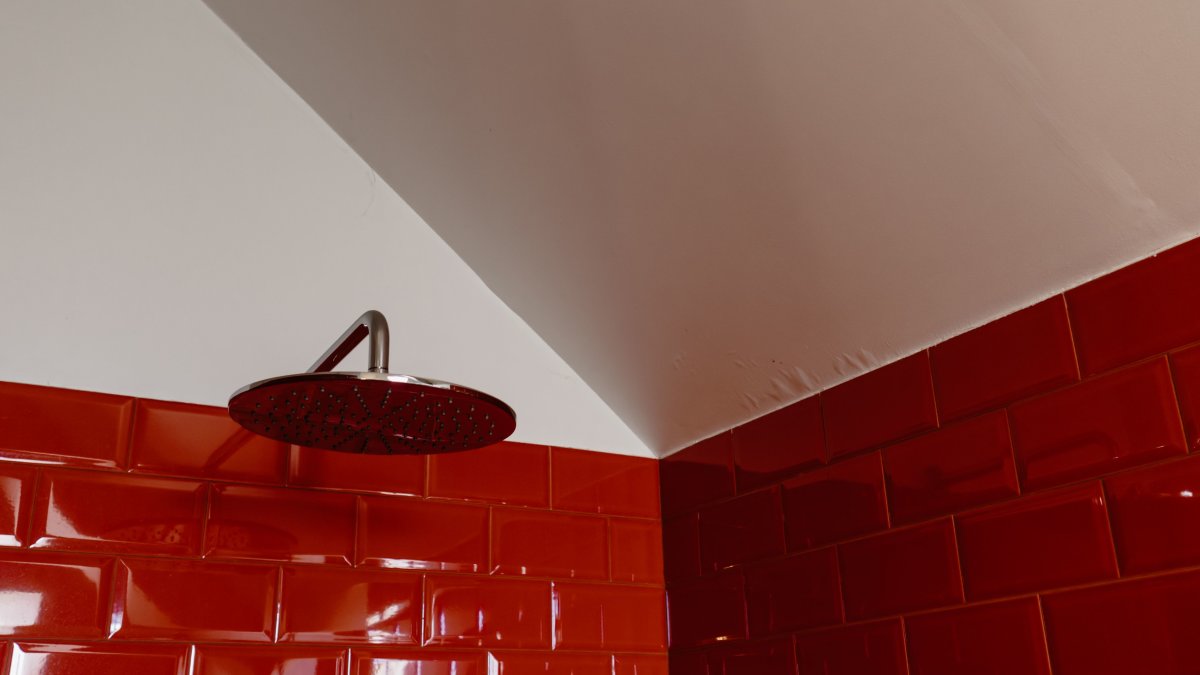
A durable bathroom ceiling paint job depends on preparation. Follow these steps before applying the finish coat.
1. Identify and correct the moisture source. Check for plumbing leaks, roof leaks, persistent condensation, and weak ventilation. Do not coat a ceiling that is still damp.
2. Address visible mold or mildew. EPA guidance warns against painting materials that are wet or show biological growth. Clean affected hard surfaces appropriately, correct the moisture condition, and let the area dry completely. Large or recurring contamination may require professional assessment.
3. Scrape loose or peeling paint. Remove coating that has lost adhesion. Sand rough edges where appropriate so repairs do not telegraph through the finish. Surface cleaning is equally important in other interior painting projects, particularly when degreasing kitchen cabinets before painting in Brewster, NY, where grease and residue can interfere with coating adhesion.
4. Repair surface defects. Patch damaged drywall, nail pops, cracks, or small areas of deteriorated joint compound. Let repairs cure as directed, then sand smooth and remove dust.
5. Prime where needed. Use a compatible interior primer on bare drywall, repairs, stains, or unevenly porous surfaces. For previous staining, choose a primer intended to block that type of stain.
6. Apply the bathroom ceiling paint. Follow the coating manufacturer's spreading rate, drying conditions, and recoat instructions. Maintain ventilation while working and during curing, subject to the product label.
How Ventilation Protects the Paint Film
Even the right paint performs better when the room can shed moisture. Run the exhaust fan during bathing and afterward until steam and visible condensation clear. The fan should discharge outdoors, not into an attic or other enclosed building space.
A hygrometer can show whether humidity remains elevated. EPA guidance says indoor humidity should ideally stay between 30% and 50%. If the room repeatedly stays above that range, improve ventilation, investigate condensation, or use dehumidification where appropriate instead of expecting paint to compensate.
Watch the ceiling after repainting. New bubbling, discoloration, peeling edges, or recurring spotting can indicate an unresolved moisture source. Early investigation is more useful than repeatedly covering the symptom.
Frequently Asked Questions
What is the best paint for a bathroom ceiling?
The best option is an interior acrylic latex paint specifically formulated for high-humidity environments and mildew resistance, chosen in a sheen appropriate for the room’s moisture levels and ventilation.
What is the best paint for a bathroom ceiling with no fan?
Choose a bathroom-rated, mildew-resistant coating, but treat missing ventilation as the primary problem. Opening a window can help when conditions allow, yet a properly ducted exhaust fan provides more dependable moisture removal. Paint alone cannot control steam accumulation.
Should bathroom ceiling paint be satin or semi-gloss?
Satin is often a balanced choice because it is easier to clean than flat paint without reflecting as much light as semi-gloss. Semi-gloss suits demanding areas but makes imperfections more visible. Bathroom-rated matte or eggshell can also work in well-ventilated rooms when approved for humid spaces.
For homeowners coordinating paint selections across multiple rooms, kitchen paint colors that complement white cabinets offer another consideration when planning a cohesive interior color scheme.
Can I paint over peeling bathroom ceiling paint?
No. Remove loose coating first, correct the moisture source, repair damaged areas, and prime as needed. Painting over failing paint leaves the new finish dependent on a weak layer underneath, so peeling can return quickly.
Can bathroom paint stop mold from coming back?
Mildew-resistant paint can help the coating resist surface growth, but it cannot eliminate the conditions that cause mold.
Plan Your Bathroom Ceiling Painting Project
If your bathroom ceiling in Brewster, NY, is peeling, stained, or developing mildew, start with the cause before choosing a coating.
Homeowners budgeting for multiple interior improvements may also want to consider how much it costs to paint kitchen cabinets in Brewster, NY when planning their overall painting budget. Brewster Best House Painting can evaluate the bathroom ceiling, prepare problem areas, and apply appropriate bathroom ceiling paint.
Get a free estimate to plan your repaint with preparation, application, inspection, touch-ups, and cleanup.